Inspired by Tygart Media Storm Tracker — Storm Updates: Quiet Pulse — Nov 27 Morning — https://tygartmedia.com/quiet-pulse-2026-11-27-morning/.
Desk Snapshot
Tropical: None · Severe: None · Flood: None
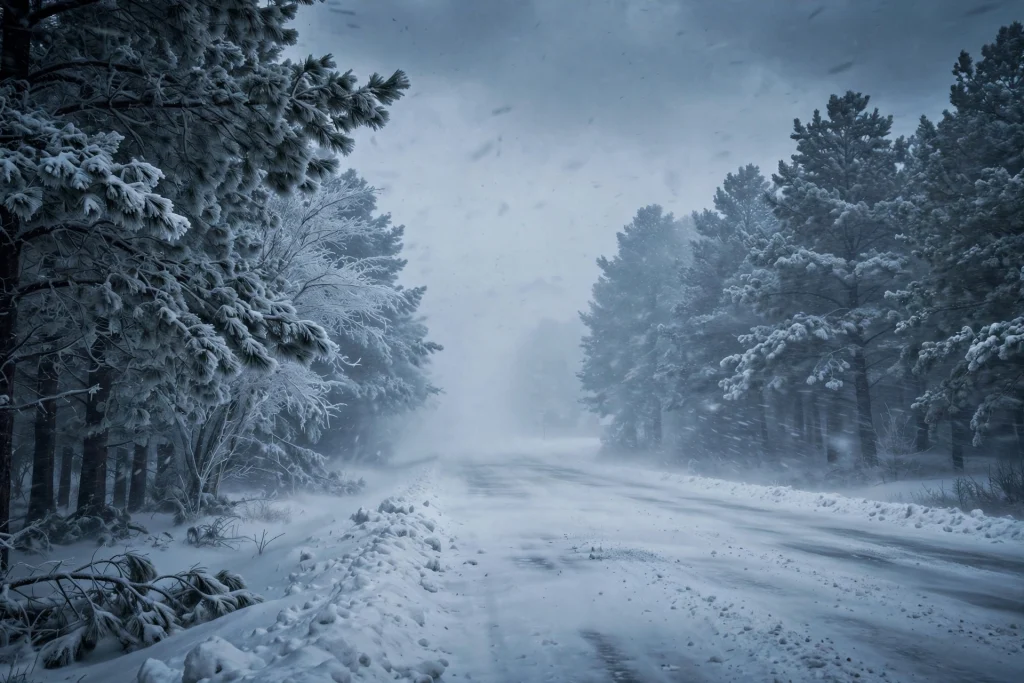
The restoration ticket is residual winter loading (snow, wind, trees) on higher elevations in the Rockies and residual coastal water on the East Coast; national board holds no new wind, water, hail, or tree surge.
Full desk: https://tygartmedia.com/quiet-pulse-2026-11-27-morning/
Owner
What changed: Flood lane closed from Slight to None overnight. Severe and tropical stay None. Capital stays in reserve; no new regional surge to underwrite today.
Hold. Residual Rockies winter and East Coast coastal products are local-product checks only. Keep contingency cash for any late Pacific approach later in the period, but Day 1 remains quiet. No client-facing outreach. Review open residual files for snow-load or coastal water documentation that may need carrier follow-up without opening new claims volume.
GM
What changed: National quiet criteria hold. No Slight or higher lanes open. Crews stay on scheduled work and residual monitoring.
Hold. Confirm any Rockies-area teams have winter PPE and chain sets for pass travel if already staged; no new mobilization. East Coast residual flood products do not reopen a deploy window. Update the board that the ticket is residual only. Schedule normal production and keep one float vehicle for any local residual calls without committing a full crew.
PM
What changed: Active national flood and severe risk dropped. Existing jobs continue under normal drying and documentation cycles.
Hold. No new storm-related scopes expected from this desk. If a residual winter or coastal call arrives, treat it as a local weather product, not a national pulse. Keep moisture mapping and photo sequences current on open files. Confirm drying goals on any residual water jobs before the weekend so equipment can be pulled on schedule.
Estimator
What changed: No new peril lanes. Estimating load stays on scheduled and residual work.
Hold. Price only what is documented on site. Residual snow-load or coastal water claims, if they appear, follow standard ice/water or extraction protocols without storm multipliers until a named event opens. No blanket storm pricing today. Review any pending residual scopes for completeness on tree or roof loading before the desk goes quiet into the weekend.
Technician
What changed: No watch or warning product opens a new response window. Field work remains scheduled.
Hold. Check local NWS offices for any Rockies winter or East Coast coastal residual products before travel. No national tree, hail, wind, or water surge. Turn around, don’t drown on residual coastal routes. Standard PPE and vehicle prep only. On any residual winter call, document snow depth and wind damage separately from structural loading before extraction begins.
Business development
What changed: Quiet pulse confirmed. No carrier or broker surge to staff.
Hold. No outbound storm messaging. Monitor for any late-week Pacific system that could change the Day 2 board, but do not pre-position claims today. Existing relationships stay on normal cadence. Note residual Rockies and coastal activity only if a partner asks; do not initiate.
Commercial vs residential
No material difference on this desk. Residual winter and coastal products affect both property types equally where they exist; documentation volume is the only later distinction. No commercial-specific continuity or residential-specific contents surge opens today. Commercial roofs under residual snow load and residential contents near residual coastal water follow the same initial assessment protocol.
Source
Link back to the Tygart Media desk: Storm Updates: Quiet Pulse — Nov 27 Morning.
No storm hub named on this morning desk.
Evergreen guide that fits residual monitoring: check local NWS products before any travel on residual winter or coastal routes. Residual snow and coastal water documentation follows the same photo and moisture sequence used on any water or wind file.
Informational only — not an official National Weather Service warning. Follow local authorities and the National Weather Service. Turn around, don’t drown.