Restoration Intel. Operator brief.
Sedgwick’s 2026 Loss Adjusting Insights Report is out, and the headline number should change how you plan the year: in 2025, the average gap between billion-dollar U.S. weather disasters fell to 10 days. In the 1980s, it was 82.
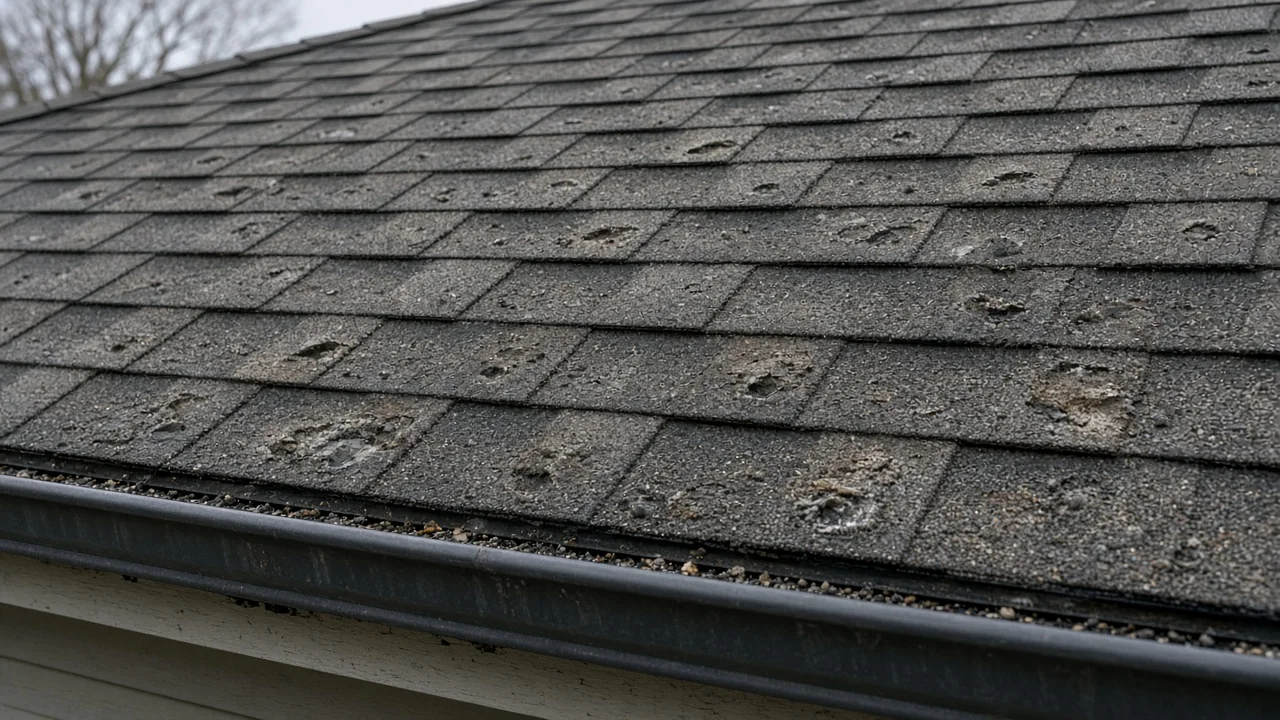
Twenty-three billion-dollar events last year. Severe convective storms topped $50 billion in insured losses for the third straight year. And the damage isn’t coming from the storms with names anymore. It’s hail, straight-line wind, inland flooding, wildfire. Distributed and persistent, in Sedgwick EVP David Armstrong’s words: risk “that doesn’t announce itself the way a major hurricane does.”
Here’s the part that matters for your operation: carriers can’t reset between events anymore. Neither can you. Long cycle times aren’t a bad quarter. They’re structural now.
The capacity crunch behind it:
- Labor: the U.S. construction industry needs 349,000 additional workers in 2026 just to meet demand. Your techs are being recruited right now.
- Equipment: lead times for specialized equipment have more than doubled in the past five years. Sedgwick’s warning is blunt. A single delayed replacement can stall an entire commercial recovery while financing costs, professional fees, and soft costs keep accumulating.
What to do about it:
- Plan like the backlog is permanent. Stop budgeting and staffing for the breather between events. The breather isn’t coming.
- Treat retention as procurement. In a 349,000-worker hole, the crew you keep is the capacity you have. Every tech who walks is six months of recruiting.
- Order equipment before you need it. The just-in-time habits that worked five years ago will strand a job today.
- Use the data in carrier conversations. When an adjuster squeezes you on cycle time, the 10-day number is your evidence that delays are systemic, not sloppy. Document everything. The paper trail is the leverage.
- Set customer expectations on day one. Tell property owners what the pipeline looks like before they’re angry about it. An informed customer is a patient one.
The contractors who treat this as weather will keep getting surprised. The ones who treat it as the permanent operating environment will own the next five years.
Source: Sedgwick 2026 Loss Adjusting Insights Report, via PR Newswire. Scott Richardson (Sedgwick): “Extreme weather is intensifying just as industries and infrastructure are growing larger and it is increasing the complexity for what it takes to successfully see a claim through from start to finish.”