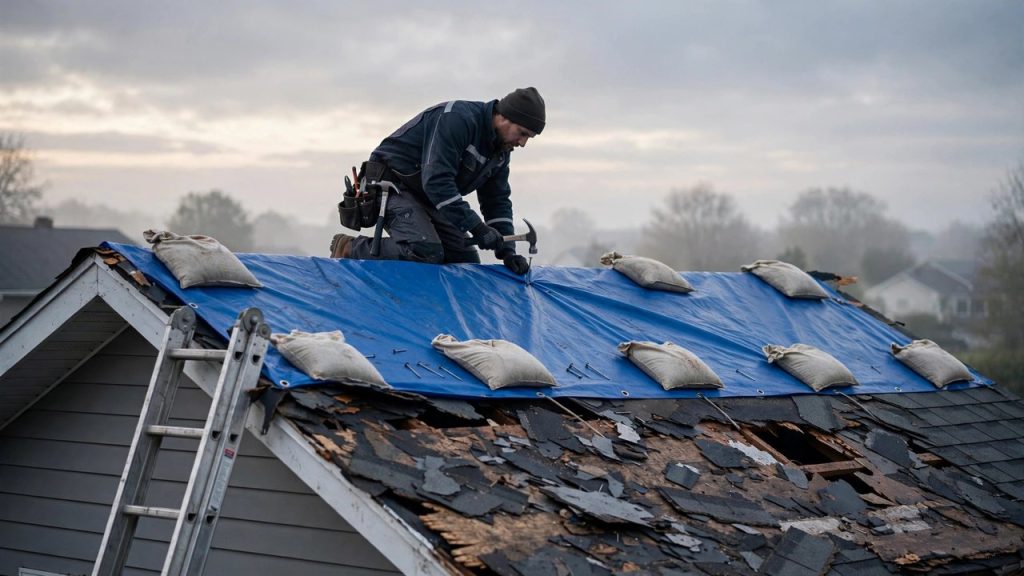
Roof Damage Assessment and Emergency Tarping: Field Protocol and Insurance Documentation
Direct Answer: The roof is where storm damage begins and where claims are won or lost. Every carrier dispute about

Direct Answer: The roof is where storm damage begins and where claims are won or lost. Every carrier dispute about
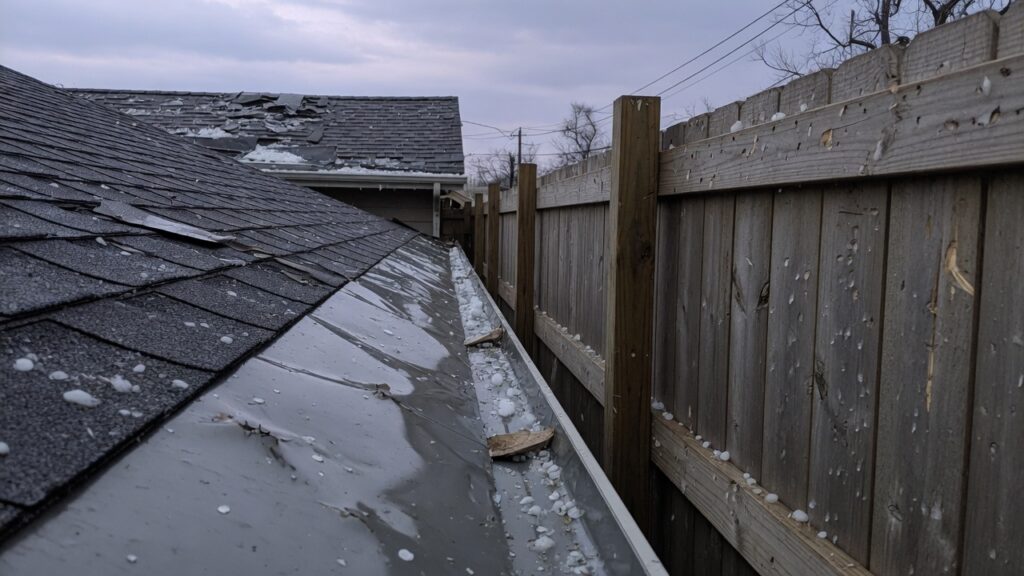
Direct Answer: Hail spatter on unfinished wood with no fracture, hole, or failed function is usually cosmetic — no repair
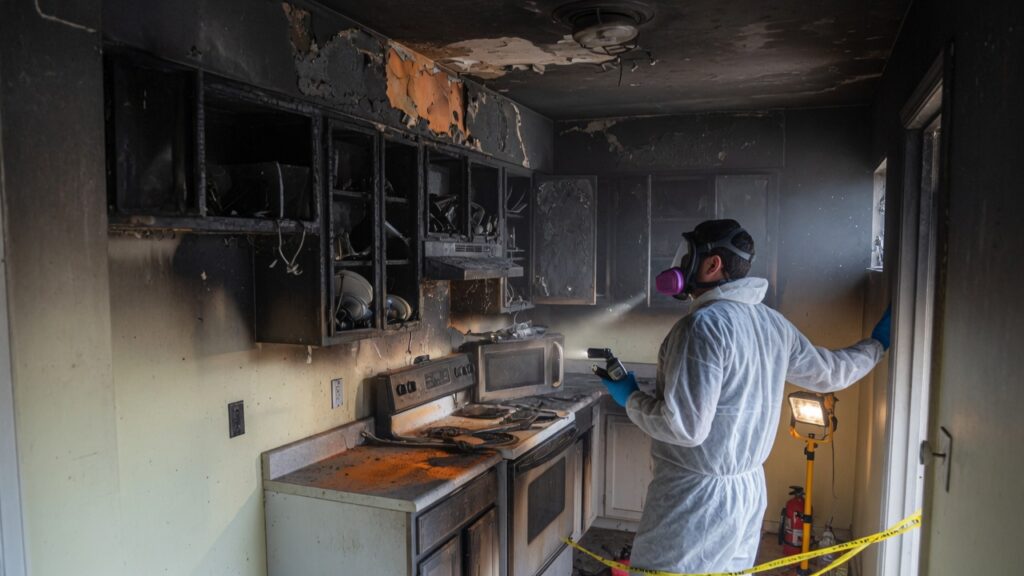
Complete ANSI/IICRC S700 fire damage restoration guide for contractors: stabilization, pack-out, soot and odor removal, and commercial fire recovery.
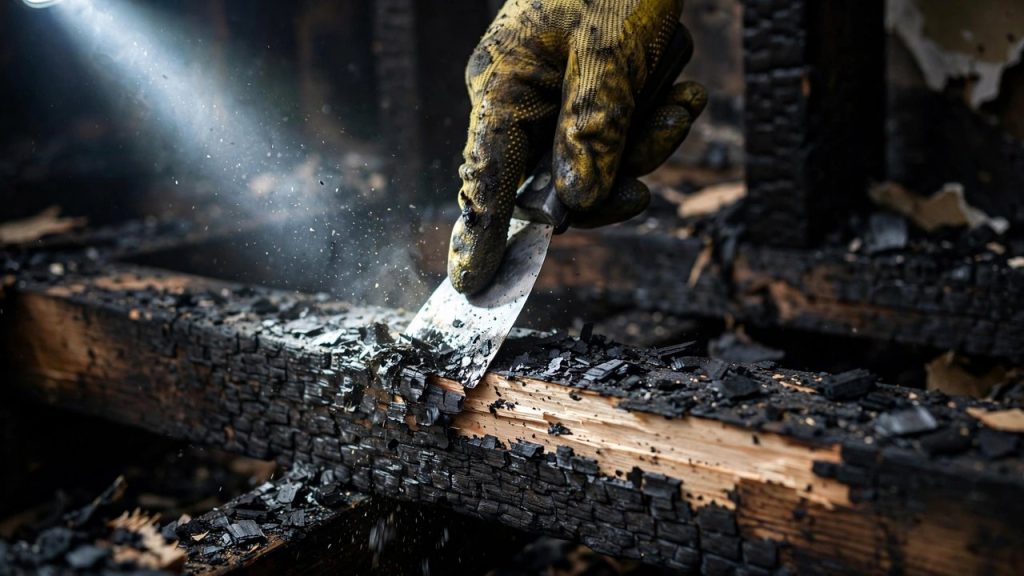
Direct Answer: The scope document is the financial center of gravity for every fire restoration project. It determines what gets
Field Brief Summary (G-16 · G-17): Defensible fire contents restoration pairs G-16 pack-out containment (clean-vs-soot segregation, barcoded chain-of-custody, hazmat holds,
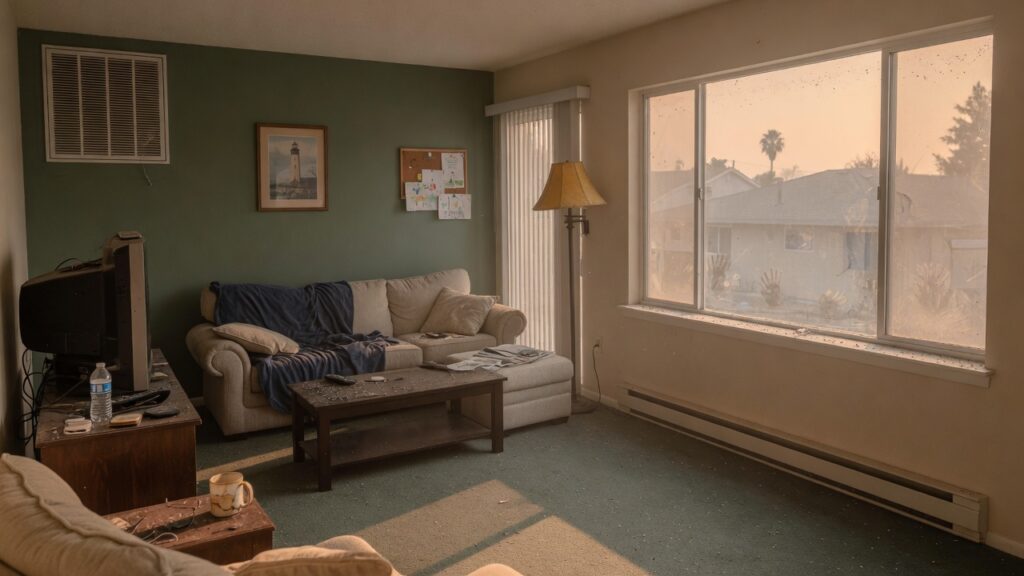
Direct Answer: Wildland smoke and a compartment fire are not the same residue. Treat them as different jobs even when
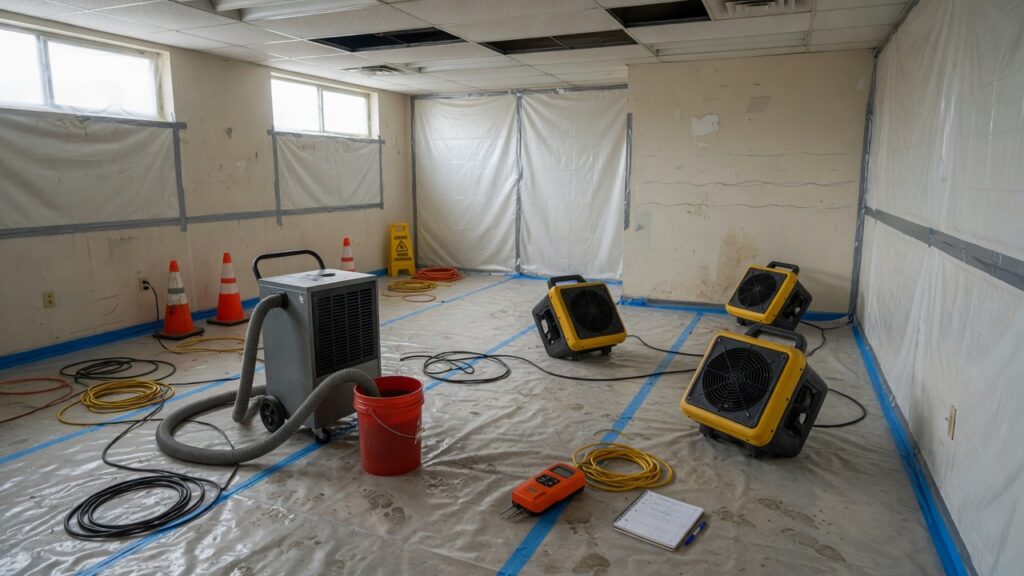
The complete technical guide to structural drying — psychrometric principles, LGR vs. desiccant dehumidifier selection, IICRC S500 air mover placement, dehumidifier sizing calculations, and the daily monitoring protocol that produces defensible drying logs.
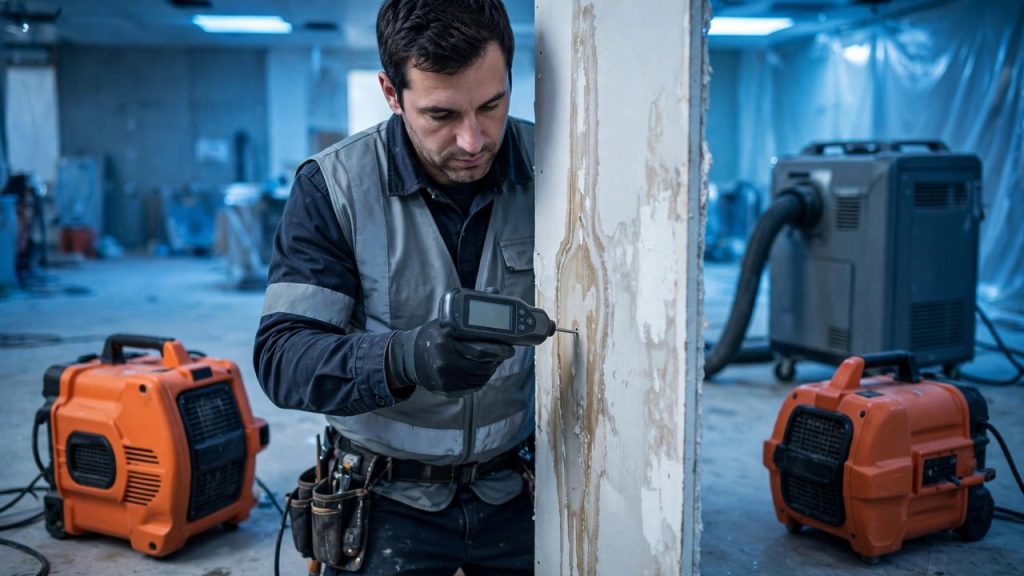
The definitive professional guide to water damage restoration — IICRC S500 classification, structural drying science, psychrometrics, moisture mapping, insurance documentation, and the 72-hour timeline that defines every loss outcome.
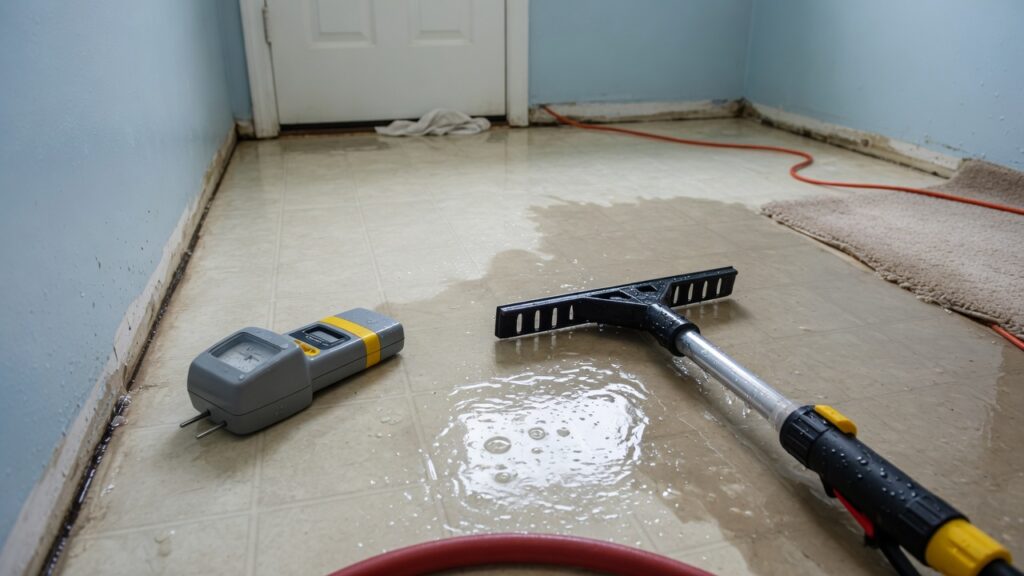
The IICRC S500 defines 3 water categories and 4 drying classes that govern every decision on a water loss — from PPE selection to adjuster documentation. Misclassification in either dimension is a liability exposure and a direct revenue leak.