
Sustainable Restoration Practices: Green Methods, Materials, and Waste Management in Property Damage Recovery
Updated November 14, 2026 — reformatted to Restoration Intel house standard with Print-First PDF brief and Markdown twin. Direct Answer:
Expert guidance on water damage assessment, extraction, structural drying, and moisture mapping to restore properties to pre-loss condition.
Updated November 14, 2026 — reformatted to Restoration Intel house standard with Print-First PDF brief and Markdown twin. Direct Answer:
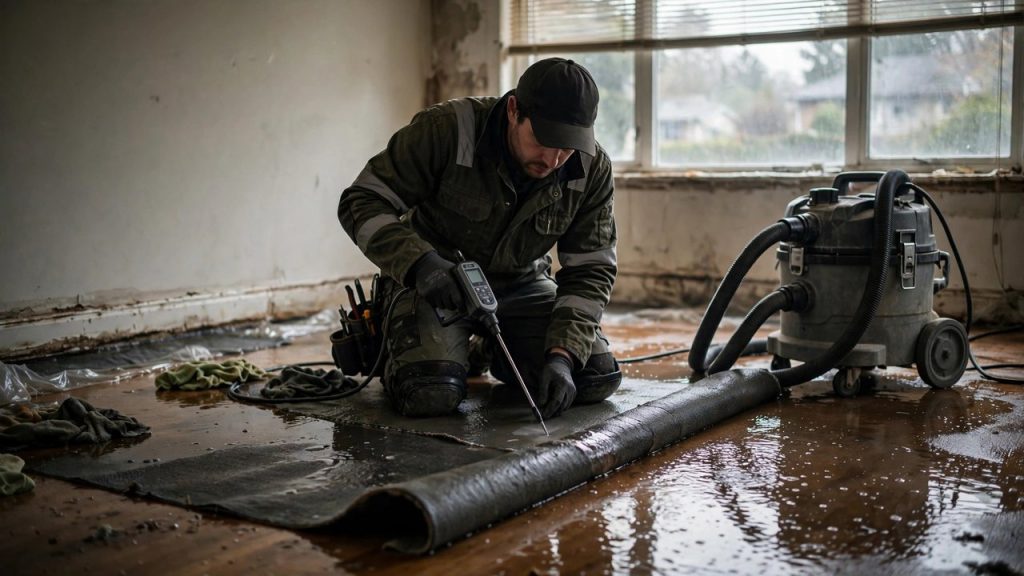
Updated November 14, 2026 — reformatted to Restoration Intel house standard with Print-First PDF brief and Markdown twin. Direct Answer:
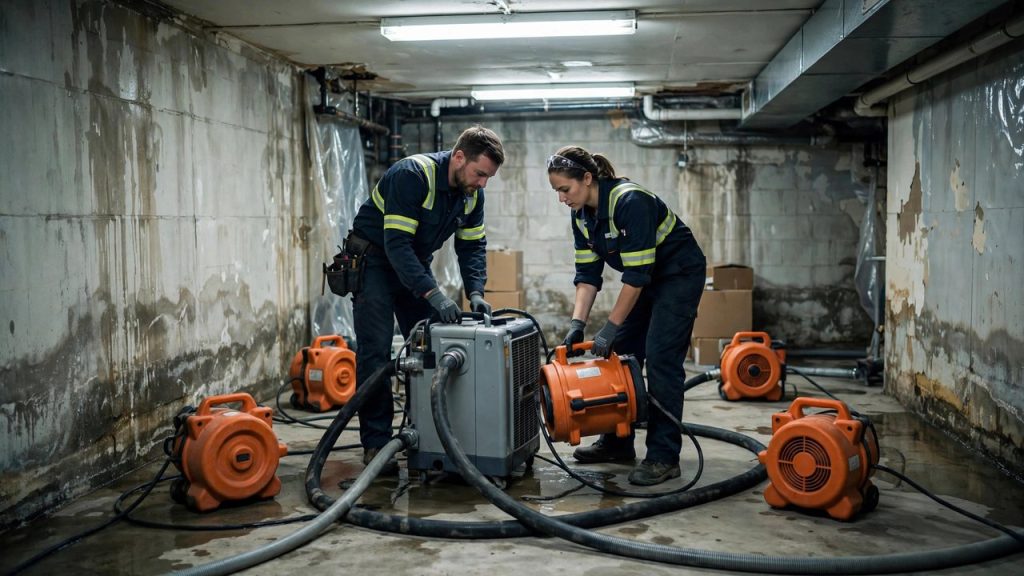
Direct Answer: A residential water loss is disorienting for a homeowner in a way that few other home emergencies are.
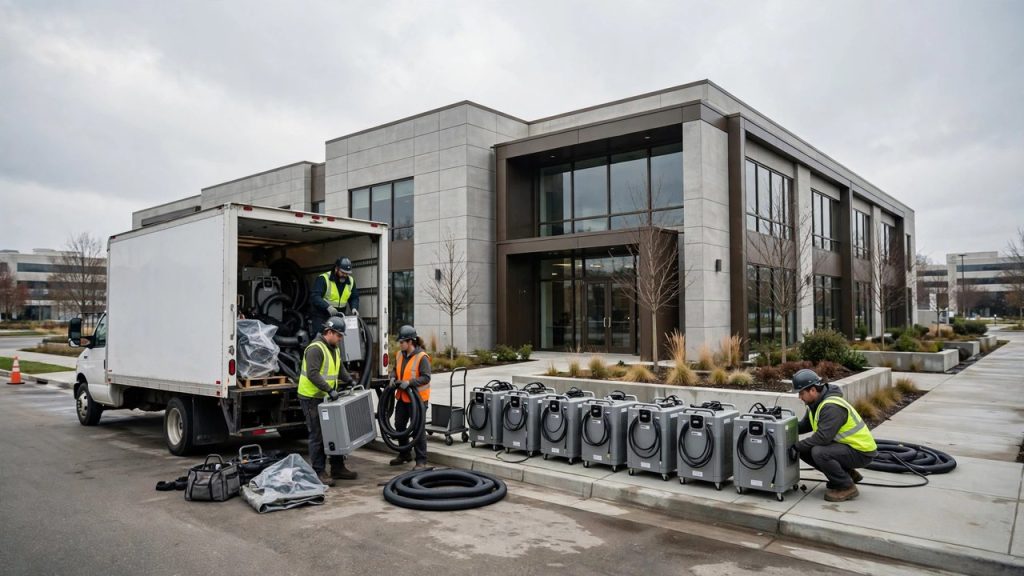
Direct Answer: Commercial water damage restoration operates at a different scale, with a different stakeholder structure, and under a different
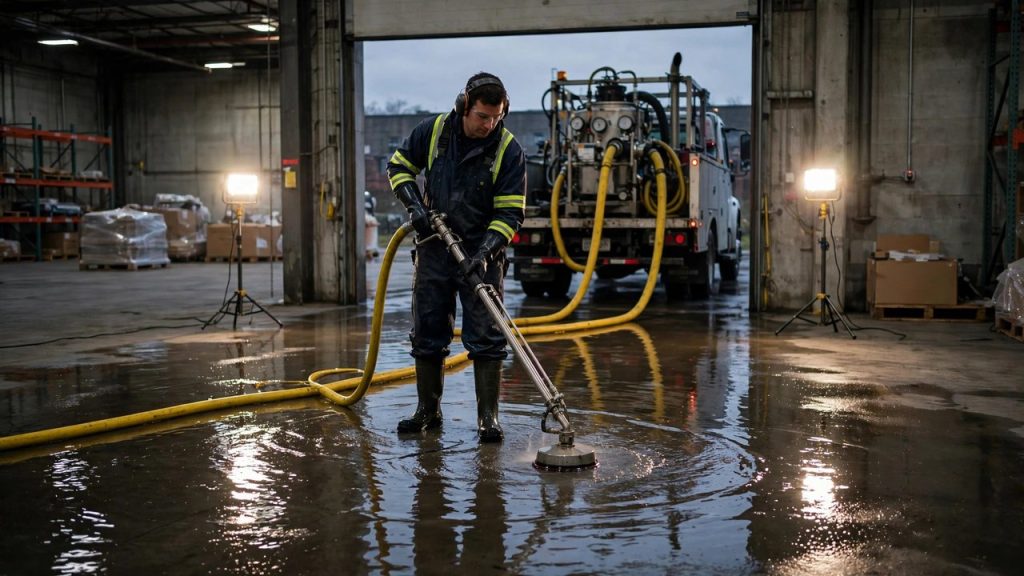
Direct Answer: When a storm breaches the building envelope, the water damage clock starts simultaneously with the storm damage clock
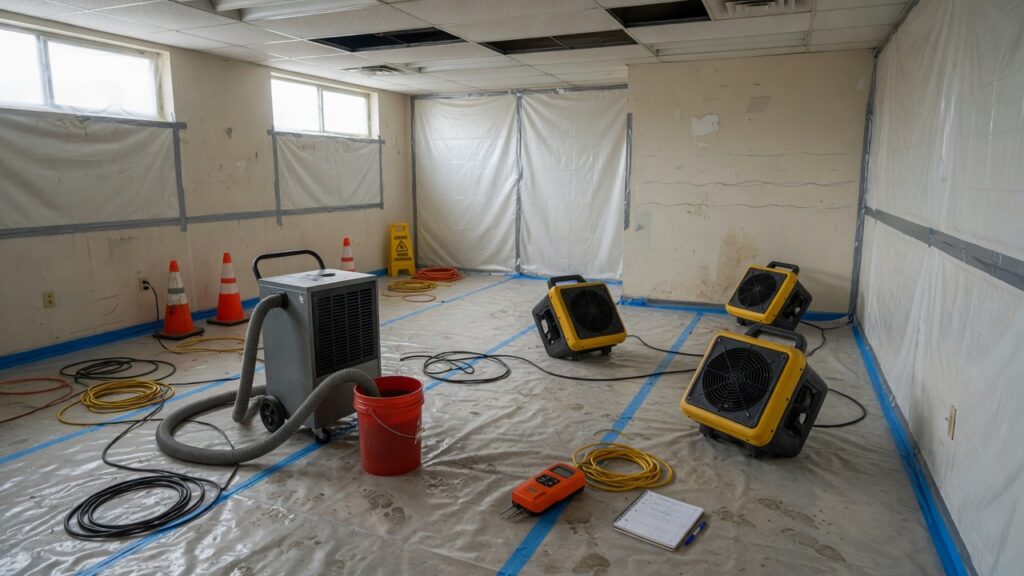
The complete technical guide to structural drying — psychrometric principles, LGR vs. desiccant dehumidifier selection, IICRC S500 air mover placement, dehumidifier sizing calculations, and the daily monitoring protocol that produces defensible drying logs.
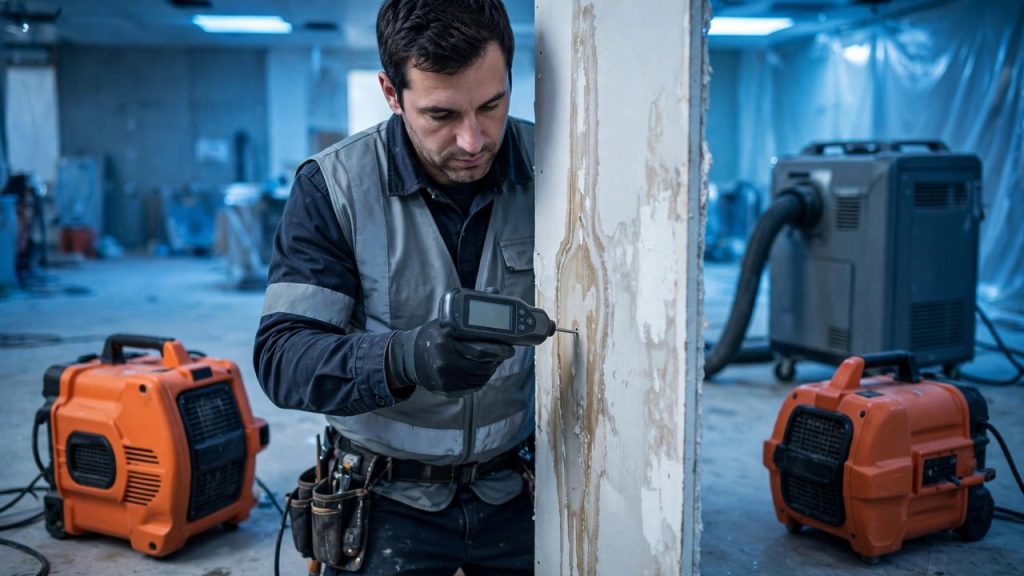
The definitive professional guide to water damage restoration — IICRC S500 classification, structural drying science, psychrometrics, moisture mapping, insurance documentation, and the 72-hour timeline that defines every loss outcome.
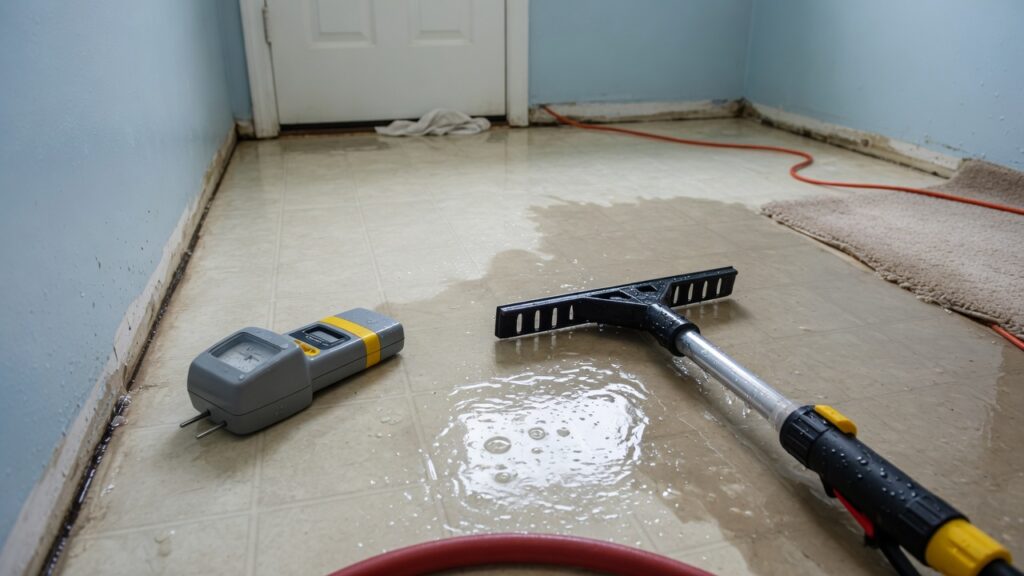
The IICRC S500 defines 3 water categories and 4 drying classes that govern every decision on a water loss — from PPE selection to adjuster documentation. Misclassification in either dimension is a liability exposure and a direct revenue leak.