The property restoration industry generates significant environmental impact through demolition waste, chemical cleaning agents, refrigerant-laden equipment operation, and material replacement cycles. In 2026, sustainable restoration is no longer a marketing differentiator but an operational requirement driven by regulatory pressure, insurance carrier preferences, and commercial client mandates. The restoration market, valued at $55.81 billion in 2026 according to Research and Markets, is seeing sustainability requirements embedded into bid specifications, carrier preferred vendor agreements, and municipal permitting processes.
Green Demolition and Waste Diversion in Restoration
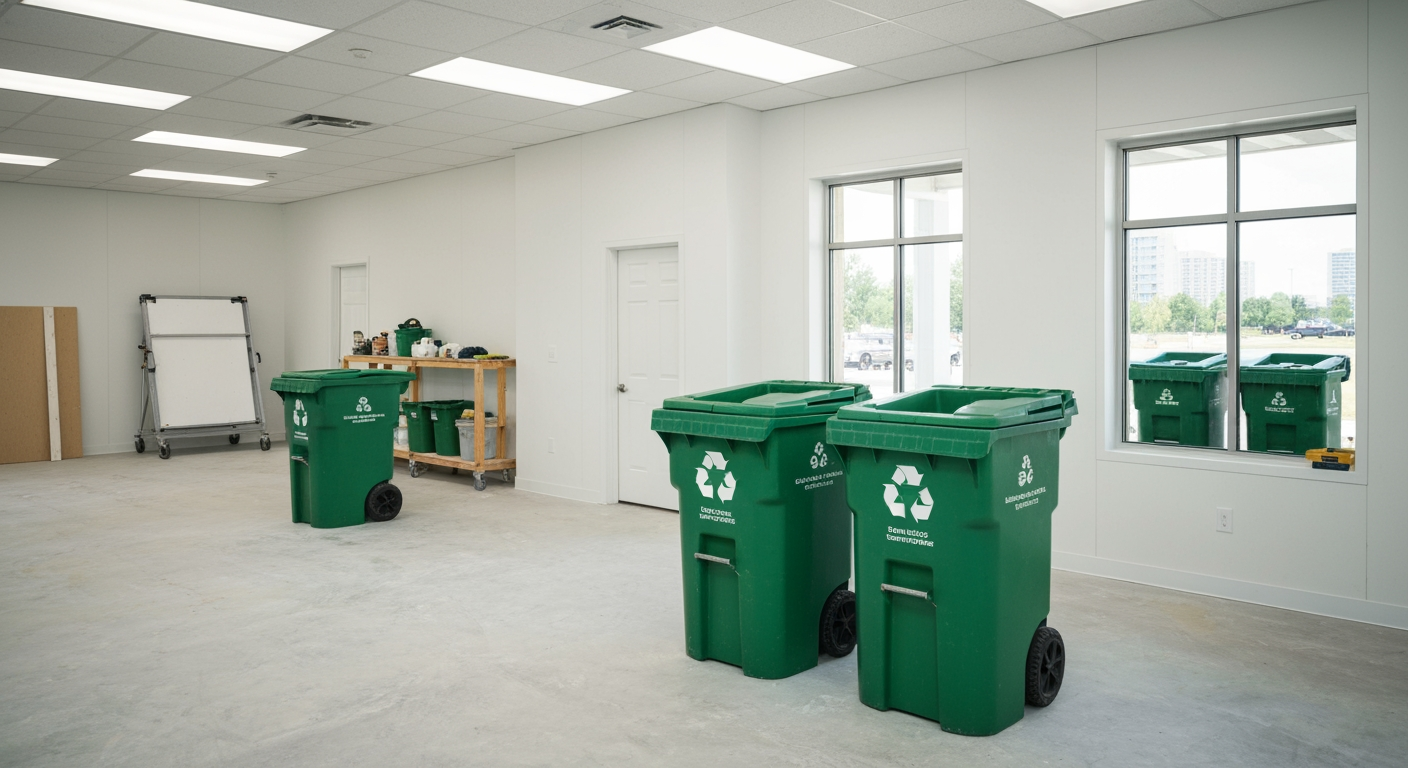
Traditional restoration demolition sends the majority of removed materials to landfill. Sustainable restoration begins with a materials audit before any demolition starts, identifying components that can be salvaged, recycled, or diverted from the waste stream. Hardwood flooring, architectural millwork, copper plumbing, and intact cabinetry represent both environmental and economic value when properly sorted during controlled demolition.
The waste diversion calculation directly affects project economics. Landfill tipping fees in metropolitan areas have increased 15 to 25 percent since 2023 in many jurisdictions, making recycling and salvage financially competitive with straight disposal. Restoration contractors tracking their diversion rates can document cost savings alongside environmental benefits, creating a dual justification for sustainable practices.
For reconstruction projects, specifying recycled-content building materials where they meet code and performance requirements adds another layer of sustainability without compromising quality. Recycled-content drywall, insulation manufactured from post-consumer materials, and reclaimed lumber all carry certifications that document their environmental attributes for LEED and other green building rating systems.
Low-Impact Cleaning and Antimicrobial Technologies
The chemical profile of restoration cleaning has shifted substantially. Hydroxyl generator technology has matured to the point where it can replace ozone treatments in many odor elimination applications, producing hydroxyl radicals that neutralize volatile organic compounds without the safety concerns and environmental impact associated with high-concentration ozone. The chemistry is the same process that occurs naturally in the atmosphere, scaled for indoor application.
Enzymatic cleaning agents have replaced solvent-based products for many protein-based and organic contamination scenarios, including sewage loss cleanup and biohazard remediation. These biological cleaning agents break down contaminants through enzymatic action rather than chemical dissolution, producing benign byproducts and reducing the chemical load discharged during restoration cleaning operations.
For mold remediation projects, the shift toward sustainable antimicrobial treatments involves botanical-based products that achieve the same kill rates as traditional biocides while carrying lower environmental persistence and reduced toxicity profiles. These products must still meet EPA registration requirements, but the newer formulations satisfy both regulatory and sustainability criteria.
Energy-Efficient Drying and Equipment Innovation
Structural drying is the most energy-intensive phase of water damage restoration. A typical commercial drying setup consuming 50 or more dehumidifiers and 100 air movers draws significant electrical load for days or weeks. The industry transition from conventional refrigerant dehumidifiers to low-GWP (Global Warming Potential) refrigerant models addresses the direct climate impact of equipment operation.
Variable-speed compressor technology in newer LGR dehumidifiers adjusts energy consumption to match actual drying demand rather than running at full capacity continuously. When paired with the IoT monitoring systems discussed in our technology coverage, these systems can reduce total energy consumption per drying project by 20 to 30 percent compared to legacy equipment operating on simple timer or humidity-threshold controls.
The energy efficiency story connects directly to Scope 2 emissions accounting for commercial clients who track the carbon footprint of their facility operations, including restoration events. A restoration contractor who can document the energy consumption and carbon intensity of their drying operation provides data that the client needs for their own ESG reporting obligations.
Regulatory Drivers and Market Requirements
California’s SB 253 and SB 261, which took effect in 2026, require large companies to disclose climate-related financial risks and greenhouse gas emissions. Commercial property owners subject to these requirements are flowing sustainability expectations down to their service providers, including restoration contractors. A restoration company working on a loss for a publicly traded company or California-headquartered enterprise may be asked to provide emissions data, waste diversion reports, and sustainable materials documentation as part of the project closeout package.
This regulatory cascade creates a direct link between ESG regulatory frameworks and restoration field operations. Companies that build sustainability data collection into their standard operating procedures now will be positioned to serve the growing segment of commercial clients with mandatory reporting requirements.
Insurance carriers are also incorporating sustainability into their preferred vendor programs. Carriers with their own ESG commitments are evaluating whether their supply chain, including restoration contractors, aligns with their published sustainability targets. This creates a competitive selection criterion beyond price and response time.
Cross-Cluster Knowledge Connections
Sustainable restoration practices intersect with multiple disciplines across property risk and facility management. The property insurance coverage structure determines whether green upgrades during restoration are covered or represent out-of-pocket costs for the policyholder. Healthcare facilities pursuing energy management and decarbonization strategies need restoration contractors who understand both clinical environment requirements and sustainability standards. Organizations with mature supply chain resilience programs are evaluating the sustainability profile of their disaster recovery vendors as part of third-party risk management.