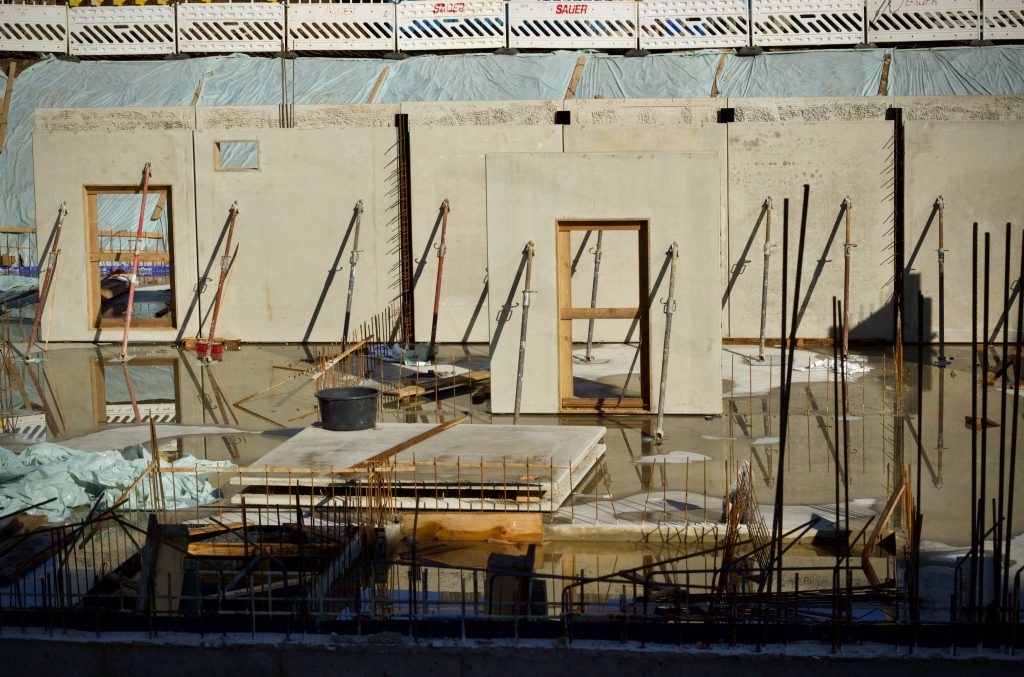
The restoration industry spent a decade perfecting the drying equipment. Extractors got stronger, air movers got quieter, dehumidifiers got smarter. And still, the slowest part of every job is the same thing it was in 1998: a technician standing in a wet basement, both hands full, trying to type a note into a phone.
That hasn’t changed because nobody built for it. Until now.
Voice AI is the first interface that actually fits the work. A tech narrates what he sees while he’s doing it — moisture readings, material conditions, what the wall looks like behind the drywall — and the system captures it, structures it, and files it. No screen. No keyboard. No stopping the job to document the job.
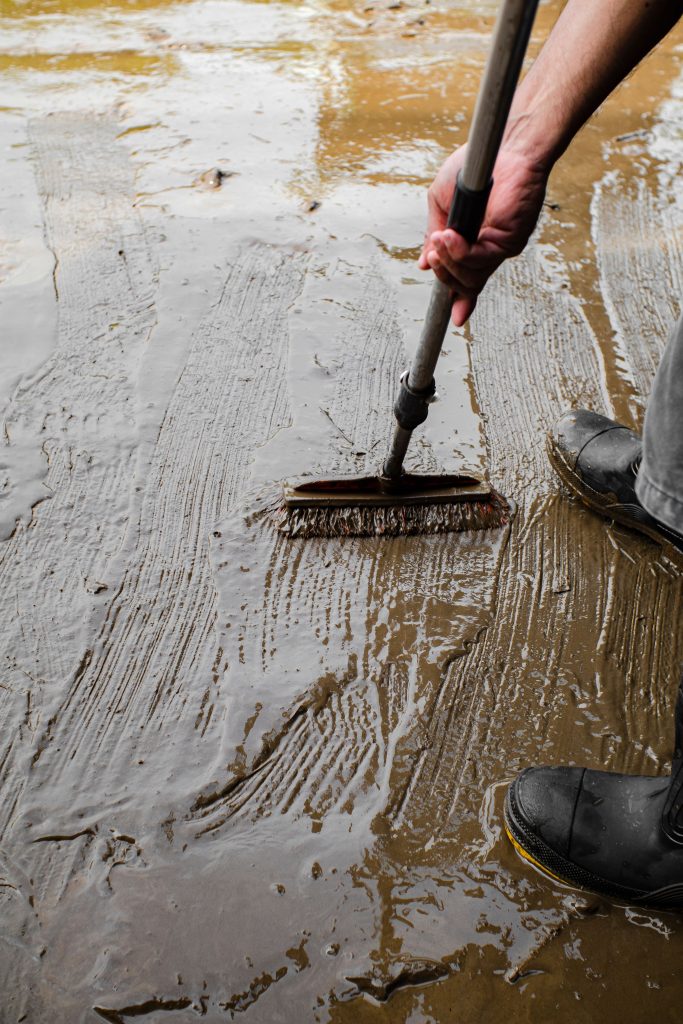
Encircle already proved the demand. Their video summaries let crews narrate a room walkthrough in their native language and get a structured note back in English. Scope turns that documentation into IICRC-aligned mitigation plans in minutes. The missing piece is the live layer — a voice that answers back in real time, pulls from the live job data, and escalates to a human when the situation needs one.
That’s the macro shift. It’s not about a better chatbot. It’s about closing the gap between the work and the record of the work.
The same pattern shows up everywhere: a living repository of knowledge that captures what a crew learns on one job and makes it available on the next, so the next tech doesn’t have to reinvent the wheel. Voice is the input layer that finally matches how people actually think on a job site.
The companies that win the next cycle won’t be the ones with the best equipment. They’ll be the ones whose techs never have to put the work down to write about it.